

Published: 29 January 2026
Updated: 13 July 2026
Simulation-Based Training for Offshore Operations and Marine Assets: FPSOs
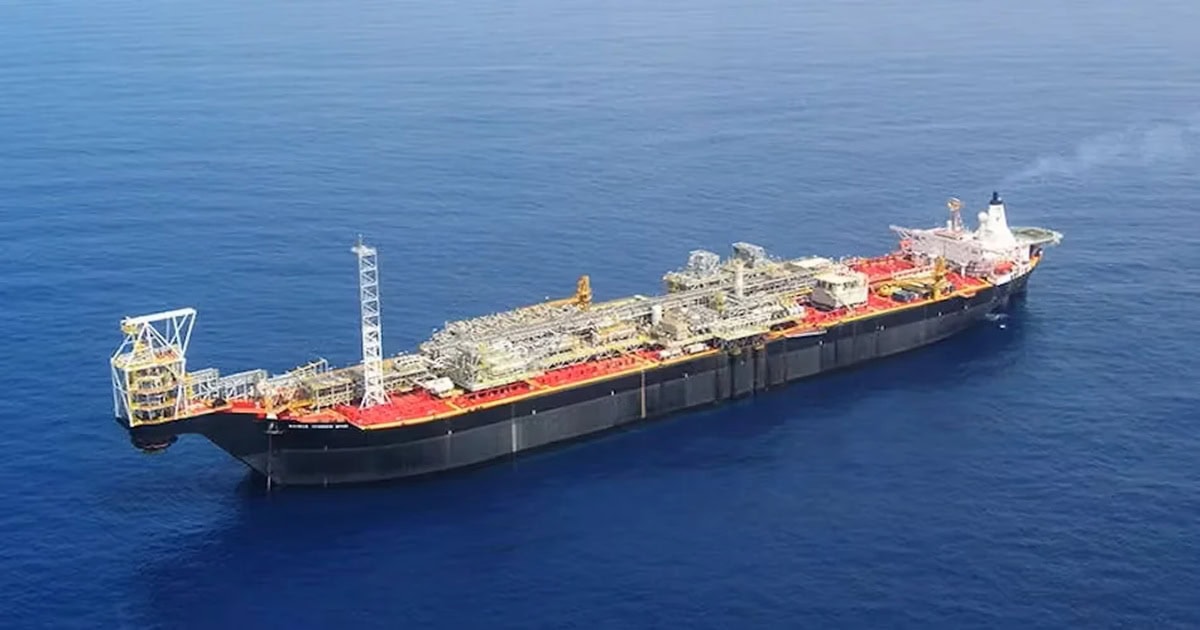
Floating Production, Storage and Offloading vessels operate at the centre of offshore production systems, combining marine operations, hydrocarbon processing, storage and offloading in a single asset. FPSOs are permanently or semi-permanently deployed, often in remote locations and harsh environments, where operational errors can have serious safety, environmental and commercial consequences. The combination of continuous production, complex process systems and marine exposure makes FPSOs uniquely challenging to operate. Simulation-based training plays a critical role in preparing personnel to manage these challenges safely and effectively.
Simulation allows FPSO crews to experience realistic operational scenarios in a controlled environment. Operators can practise routine operations, abnormal situations and emergency response without placing personnel, production or the environment at risk. For FPSOs, where marine and process systems are tightly coupled, simulation provides training value that cannot be achieved through classroom instruction or on-the-job experience alone.
The Operational Complexity of FPSOs
FPSOs differ from other offshore assets in that they integrate multiple functions within a single installation. They receive production fluids from subsea wells, separate and process hydrocarbons, store large volumes of oil and regularly offload to shuttle tankers. These activities take place while the vessel is exposed to environmental forces and maintained on station through turret mooring or spread mooring systems.
Key operational characteristics include continuous production, large hydrocarbon inventories, complex process control systems, dynamic interaction with offloading vessels and long deployment durations. Changes in production rates, storage levels or environmental conditions can directly affect vessel trim, stability and operational safety. This high degree of interdependence increases the consequences of error and places significant demands on crew competence.
What Simulation-Based Training Looks Like
Simulation-based training for FPSOs uses detailed models to replicate process systems, marine behaviour, storage tanks, mooring arrangements and environmental forces. Control room interfaces, alarms and operating logic closely resemble those used offshore, allowing operators to practise realistic scenarios.
The simulator responds dynamically to crew actions, showing how decisions affect process performance, storage levels, vessel stability and overall safety. This allows trainees to develop a holistic understanding of FPSO behaviour rather than viewing systems in isolation.
Process Operations and Production Control Training
FPSOs operate as full production facilities, with separation, treatment, compression and utility systems running continuously. Simulation allows operators to practise start-up, shutdown, rate changes and process transitions in a safe environment. Trainees can observe how disturbances propagate through the process and how control actions influence stability and production efficiency.
This experience helps operators recognise early signs of abnormal behaviour, manage alarms effectively and maintain stable operations. By repeatedly practising these scenarios, crews build confidence and consistency in day-to-day operations.
Marine Systems, Stability and Storage Management
Unlike fixed platforms, FPSOs must manage stability through careful control of storage tank levels, ballast systems and loading conditions. As oil is produced and stored, tank levels change continuously, affecting trim and stability. Environmental forces such as wind, waves and current further influence vessel behaviour.
Simulation enables crews to practise managing storage and ballast under varying conditions, including high production rates, changing offloading schedules and adverse weather. Trainees can explore how marine and process decisions interact, developing a deeper understanding of stability margins and safe operating limits.
Offloading Operations and Shuttle Tanker Interaction
Offloading is one of the most critical FPSO operations. It involves close interaction between the FPSO and shuttle tankers, coordination of marine systems, process control and safety procedures. Errors during offloading can result in collisions, hose failures or hydrocarbon releases.
Simulation allows crews to practise offloading operations under a range of conditions, including degraded systems and challenging weather. Teams can rehearse communication, coordination and emergency response related to offloading incidents, improving readiness for one of the highest-risk activities on board.
Preparing for Abnormal and Emergency Scenarios
FPSOs carry large hydrocarbon inventories and operate continuously, making emergency preparedness essential. Scenarios such as process upsets, loss of utilities, fires, gas releases, mooring failures or loss of position demand rapid, coordinated action across multiple roles.
Simulation provides a safe environment to rehearse these scenarios. Crews can practise prioritisation, emergency shutdown, coordination between marine and process teams and interaction with emergency response systems. This preparation improves confidence and reduces the likelihood of hesitation during real emergencies.
Integrating Marine, Process and Safety Systems
One of the defining challenges of FPSO operations is the tight coupling between marine, process and safety systems. Actions taken to stabilise the vessel or manage storage can affect process safety, while process disturbances can influence vessel behaviour and mooring loads.
Developing Teamwork and Non-Technical Skills on FPSOs
FPSO operations rely heavily on teamwork between control room operators, marine officers, process technicians and emergency response teams. Effective communication and coordination are critical, particularly during abnormal and emergency situations. The FPSO Simulator will typically allow a full range of simulated comms methods ( radio, phone, PA etc.) introducing an additional level of realism to the training.
Simulation-based training provides a realistic setting for developing these non-technical skills. Teams can practise information sharing, leadership and workload management under pressure, with structured debriefs reinforcing learning and identifying improvements.
Online and Cloud-Based Simulation for FPSO Training
Advances in digital delivery mean that FPSO simulators can now be accessed remotely via cloud platforms. This enables flexible training schedules, remote participation and pay-per-use access. For FPSO operations, this supports refresher training between rotations, preparation for specific campaigns and rapid response to changes in operating procedures or asset configuration.
Online access also makes simulation more accessible to a wider range of personnel, including contractors and support teams who may not be permanently assigned to the asset.
Implementation Considerations
To deliver value, FPSO simulators must accurately represent process systems, storage arrangements, mooring configurations and operating procedures. Models should be updated as assets evolve and lessons are learned from operations. Instructor capability remains critical, with skilled facilitation and structured debriefing essential to translate simulated experience into improved offshore performance.
Conclusion
FPSOs are among the most complex and high-risk assets in the offshore energy sector. Their combination of continuous production, large hydrocarbon inventories, marine exposure and long deployment durations places exceptional demands on crew competence.
Simulation-based training provides a practical and effective way to prepare FPSO personnel for the full range of operational scenarios they may encounter.
To learn more about the Pisys FPSO Training Simulator Click Here