

Operator Training Simulators in the Energy Sector
Operator training simulators are widely recognised as one of the most effective tools for developing competence in safety-critical energy operations. As systems become more complex and the consequences of error increase, organisations are under growing pressure to ensure that operators can respond correctly not only during normal operations, but also during abnormal and emergency situations. Traditional training methods alone are no longer sufficient to meet these demands, a challenge explored in more detail in the broader discussion on simulation-based training in the energy sector. Operator training simulators provide a practical, evidence-based way to bridge the gap between theory and real-world performance.
What Is an Operator Training Simulator?
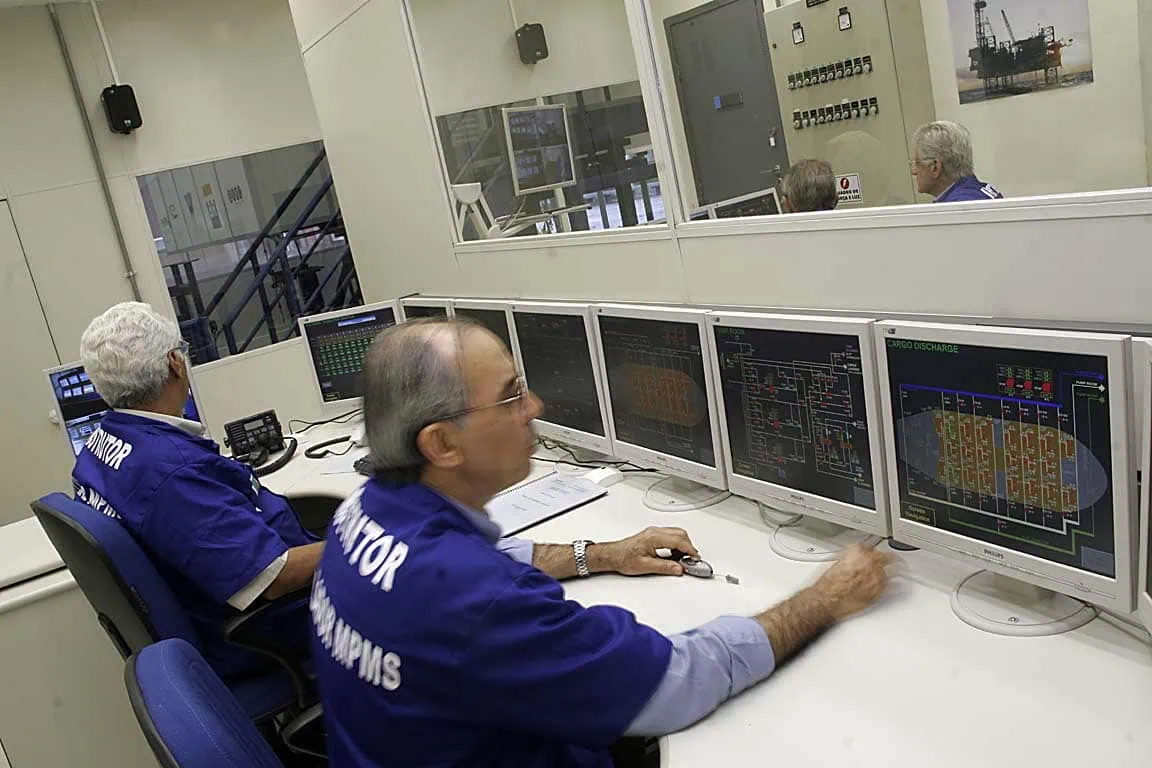
An operator training simulator is a software-based system that replicates the behaviour of real operational systems and presents them through interfaces that closely resemble those used in live environments. In the energy sector, this typically includes control room displays, alarms, trends and system logic associated with process plants, offshore installations, utilities and electrical networks. The simulator responds dynamically to operator actions, allowing trainees to see the consequences of decisions in real time rather than learning outcomes only in hindsight.
Developing Operational Competence
The primary purpose of an operator training simulator is to develop operational competence. This goes beyond procedural knowledge and includes situational awareness, prioritisation and decision-making under pressure. Research across high-risk industries shows that simulation-based training improves operational performance by strengthening practical skills and the ability to apply knowledge in realistic, time-critical scenarios.
Training for High-Consequence, Low-Frequency Events
One of the key drivers for the use of operator training simulators is the challenge of high-consequence, low-frequency events. Major incidents such as blackouts, loss of utilities, process upsets or cascading system failures occur infrequently, but when they do occur they demand fast, correct action. These scenarios cannot be safely practised on live systems. Standards such as OPITO 9004: Control Room Operator Emergency Response require a structured and comprehensive approach to ensure that CRO's are competent to deal with any emergency situation.
Supporting Safe and Stable Day-to-Day Operations
Operator training simulators are also valuable during normal operations. They allow trainees to practise start-ups, shutdowns, transitions between operating modes and responses to minor disturbances. This builds familiarity with system behaviour and helps operators recognise early warning signs before problems escalate.
Understanding System Complexity and Interdependencies
A further advantage of operator training simulators is their ability to expose operators to system complexity. Modern energy systems are highly integrated, with interactions between process units, utilities, electrical supplies and control systems. Decisions made in one part of the system can have unintended consequences elsewhere. Simulation allows operators to explore these interdependencies in a controlled way, reinforcing the system-level thinking highlighted in the main simulation training overview.
Developing Non-Technical Skills
Operator training simulators also play a critical role in developing non-technical skills. During abnormal and emergency situations, technical knowledge alone is not enough. Operators must communicate clearly, share situational awareness, manage workload and coordinate actions within teams.
Online and Cloud-Based Operator Training Simulators
Advances in technology have significantly changed how operator training simulators are delivered. Historically, simulators were site-based installations requiring dedicated hardware and substantial capital investment. Today, many operator training simulators are delivered through cloud platforms and accessed online, a development discussed in the wider context of online and pay-per-use simulation models. This enables remote participation, flexible scheduling and pay-per-use or subscription access, making simulation more accessible to a wider range of organisations and roles.
Implications for Competence Management
The availability of online simulators has important implications for competence management. Rather than being limited to infrequent courses, simulation can be integrated into continuous development programmes. Operators can revisit critical scenarios, practise rarely used skills and maintain familiarity with emergency procedures.
Implementation Considerations
Despite their benefits, operator training simulators must be implemented carefully to deliver value. Simulator models must accurately reflect real systems and be kept up to date as equipment, procedures and operating philosophies evolve. Instructor capability is equally important. Skilled facilitation and structured debriefing are essential to help trainees reflect on decisions and translate simulated experience into improved real-world performance, a principle reinforced throughout this article
Operator Training Simulators as Part of Blended Learning
Operator training simulators should be used as part of a blended learning approach that combines simulation with classroom instruction, mentoring and hands-on experience. When aligned with real operational risks and supported by evidence-based training design, they offer a proven means of developing competence, improving performance and strengthening operational resilience in complex energy systems.
More information about the Pisys range of Operator Training Simulators can be found here
