
Implementation of a Permit to Work system can be a major change for an organisation. Management of change is a critical element in the successful introduction of any new system and the suggestions here may be applied to many other situations beyond PTW. The 'spoiler' of course is that communication is the most important part of any big change.
Getting Buy-In for a Permit to Work System Implementation
Implementing a Permit to Work (PTW) system can be transformational for organisations that manage high-risk activities. When it's done well, it improves safety, coordination and risk control. But even the best system is only as effective as the people who use it. Without genuine buy-in from those who plan, authorise and execute work, a PTW system can become a procedural burden rather than a safety enabler.
Getting buy-in isn't a one-time task. It's a process that involves understanding concerns, getting everyone on the same page with the same goals, and embedding the system into the organisation’s daily routines.
Why Buy-In matters
Buy-in matters because a Permit to Work system touches many parts of an organisation. It affects frontline workers, supervisors, planners, HSE teams and leadership. It influences how work is scheduled, how risks are assessed and how controls are verified.
When users see the system as relevant and practical, they are more likely to use it consistently and correctly. When they see it as bureaucratic, creating additional work or irrelevant, compliance becomes superficial and risk controls are weakened.
To achieve effective implementation, the question must shift from “How do we roll out a system?” to “How do we ensure people embrace and use it in a way that genuinely improves safety?”
Understand the Context
Every organisation has its own culture, workflows and historical approaches to safety. Understanding this context is essential before launching a PTW implementation.
Ask questions such as:
- What are the current pain points with managing hazardous work?
- How do people currently assess and control risk in their daily tasks?
- Where have past safety systems succeeded, and where have they failed?
- What informal practices do teams already use to manage work safely?
By engaging in these conversations early, you demonstrate respect for existing expertise and create opportunities to align the PTW system with how work actually happens.
Involve People Early
One of the most effective ways to build buy-in is to involve stakeholders early in the design and implementation process. This doesn't mean asking everyone to define the entire system, but it does mean gathering input from those who will use it most.
Workshops, focus groups and pilot trials with frontline workers, supervisors and planners help uncover practical issues that might not be obvious from a document or high-level plan. These sessions also give people a voice and make them part of the solution
When people feel heard and see their input reflected in the system design, they are more likely to support its adoption.


Communicate the Purpose Clearly
Resistance to new systems often stems from misunderstanding the purpose. If the Permit to Work system is introduced only as a compliance requirement or an audit tool, people will see it as extra work with no clear benefit.
Messaging should focus on what the system is intended to achieve: better risk control, improved planning, clearer responsibilities and safer outcomes. Explain how the system protects people, reduces unplanned downtime and supports coordination, especially when work is complex or simultaneous.
Real-world examples such as incidents avoided because a control was confirmed before work began can help make the purpose tangible.
Design for Useability
A system that feels cumbersome will always struggle to gain traction. Permit to Work systems should be designed with useability in mind, not just completeness.
This includes:
- Making templates intuitive and relevant to specific work types.
- Ensuring language is clear and free from unnecessary jargon.
- Minimising duplication of effort between permits, risk assessments and other documents.
- Supporting mobile or field updates where possible.
When the system supports people in their work rather than slowing them down, resistance naturally decreases.
Training That Explains “Why” and “How”
Training is essential, but many implementations focus too heavily on the mechanics of using the system without explaining why it matters.
Effective training covers both:
- Why the Permit to Work system is being introduced and what it aims to improve.
- How to use the system correctly, with scenario-based examples that reflect actual work.
Including real scenarios and “walkthroughs” helps people see how the system applies to their daily tasks. Training should also include supervisors and planners, not just frontline users, to build shared understanding.
Leadership Support and Role Modelling
Leadership backing is a key driver of buy-in. When leaders talk about the PTW system as a priority, demonstrate consistent expectations and reinforce its use during reviews and checkpoints, it signals that the system is valued beyond compliance.
Role modelling is especially important from supervisors and middle managers. If they prioritise speed over compliance, or treat permit completion as a formality, that sets the tone for the team.
Consistent reinforcement that safety is not negotiable helps align behaviour with the system’s intent.
Provide Feedback and Close the Loop
One of the fastest ways to erode confidence in a new system is to collect reports and do nothing visible with them. People need to see that their efforts lead to action and improvement.
Providing quick feedback on reports, acknowledging improvements and sharing learnings reinforces the value of participation. Closing the loop shows that reporting and permit use are not administrative exercises, but tools for real improvement.
Link to Broader Safety and Operational Systems
A Permit to Work system works best when it doesn't operate in isolation. Integrating it with risk assessments, action tracking, incident reporting and learning systems increases its relevance and reduces duplication.
For example, when near misses or incidents feed lessons into permit templates, future risk assessments are strengthened. When action tracking connects to permit outcomes, gaps are more easily addressed.
This integration reassures users that the system supports the organisation holistically, not as an isolated requirement.
Dealing with Resistance from Employees and Stakeholders
Resistance is a natural human reaction to change, especially when people feel it adds complexity or threatens established routines. In most cases, resistance to a Permit to Work system is not about safety itself, but about how the system is perceived, as extra work, as irrelevant to actual tasks, or as a top-down imposition.
To address resistance effectively:
- Listen to concerns without dismissing them.
- Explain how the system protects people and supports their work.
- Involve staff in shaping how the system is used day to day.
- Ensure training emphasises practical application, not just completion.
- Demonstrate leadership support through consistent behaviour.
- Respond to feedback by making sensible improvements.
Resistance can also be a signal that the system is not aligned with real operational needs. Addressing the root causes of resistance strengthens both the system and the culture that supports it.
Monitor, Review and Evolve
Implementation is not a one-time event. A Permit to Work system must be monitored, reviewed and adapted over time.
Collect feedback, track how permits are used, identify where delays or confusion occur, and adjust templates, workflows or guidance accordingly. Regular review workshops help maintain relevance and demonstrate that the system is evolving with operational needs.
When people see the system responding to real issues, confidence grows and usage becomes more consistent.
Final Thoughts
Getting buy-in for a Permit to Work system implementation isn't just about rolling out technology or issuing new forms. It is about building understanding, trust and alignment across teams.
By communicating purpose clearly, involving users early, designing for useability, supporting practical training, and implementing strong monitoring and feedback, organisations can embed Permit to Work systems that deliver real safety and operational value.
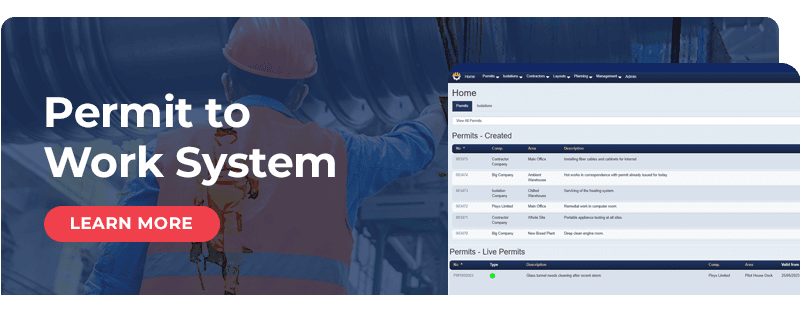
The Pisys Electronic Permit to Work system is designed to minimise implementation friction. It's highly configurable to match your existing workflows and terminology, reducing resistance from staff who are used to working in a particular way.