
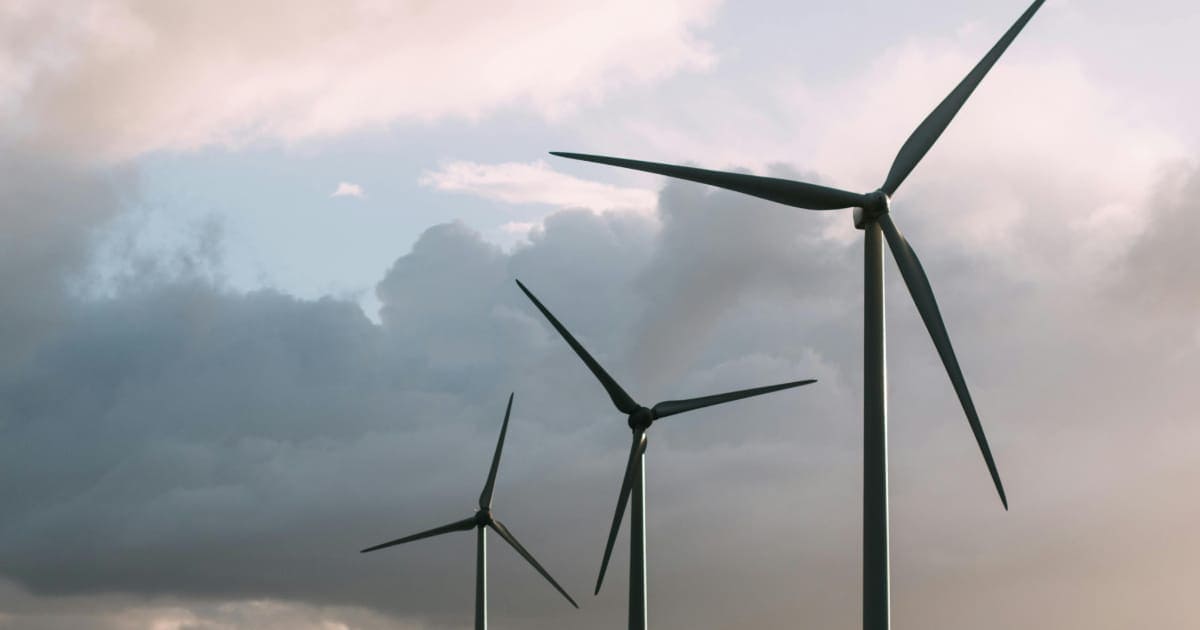

Offshore wind turbine mooring is a fundamental aspect of ensuring structural stability, safety and operational reliability in marine environments. The design and analysis of mooring systems play a critical role in how fixed or floating turbines behave under the influence of wind, waves and current. In this context, 2D catenary analysis is a practical and widely used tool that helps engineers understand and optimise mooring behaviour.
Understanding the advantages of 2D catenary analysis is important for organisations involved in offshore wind development, installation and operations. When properly applied, it supports better decision-making, risk reduction and long-term performance of mooring systems.
Understanding Mooring System Analysis
Mooring systems consist of lines, anchors and connection points that restrain offshore turbines against environmental forces. In floating wind applications, these systems are especially challenged by dynamic loads that vary with sea state, wind conditions and vessel interaction.
Analysis of mooring behaviour allows engineers to predict how lines will respond under load, whether they will stretch, sag, or induce unwanted movement in the structure. Without clear analysis, mooring designs may be overly conservative, inefficient or even unsafe.
2D catenary analysis provides a practical method for modelling mooring lines and understanding how they respond to forces in two dimensions, typically horizontal and vertical planes.
What 2D Catenary Analysis Involves
2D catenary analysis treats a mooring line as a flexible rope subject to tension and weight, hanging between anchor and connection points. The analysis uses mathematical models to determine the shape of the line known as the “catenary curve”, and how tension varies along its length.
By modelling the line in two dimensions, engineers can estimate key behaviours such as:
- How much the line will sag under its own weight
- How tension changes with environmental forcing
- What loads anchors and connection points must resist
- How line geometry affects the stability of the overall system
These insights help to support decisions about line length, material selection, anchor type and safe working limits.
Improving Design Confidence
One of the primary benefits of 2D catenary analysis is the increased confidence it provides during the design phase. By visualising and quantifying how mooring lines behave under expected conditions, engineers can make informed choices about configuration and safety margins.
In practice, this means being able to test multiple design options quickly and observe how changes affect mooring performance. Early identification of potential weaknesses allows designs to be refined before they are committed to fabrication or installation.
This confidence is particularly valuable in offshore wind projects where cost, logistics and environmental conditions all play significant roles in project outcomes.
Supporting Risk Identification
Effective risk management depends on understanding where systems may fail or perform poorly. Mooring systems are subject to a range of hazards, including extreme weather, fatigue loading and unintended interactions with vessels or subsea structures.
2D catenary analysis helps identify risk factors by highlighting high-tension zones, potential overstretch conditions, or configurations that may be susceptible to unusual loads. This allows risk assessments to be grounded in realistic line behaviour rather than assumptions.
Integrating analytical results into risk assessment and Permit to Work processes ensures that execution plans account for predictable mooring behaviours and potential deviations.
Optimising Material and Cost
Engineering decisions about mooring line material, size and strength have direct implications for cost and logistics. Over-specifying lines increases material cost and installation difficulty, while under-specifying them increases risk of failure.
2D catenary analysis supports optimisation by providing data that balance performance with practicality. Engineers can compare how different materials, diameters and lengths affect line behaviour and tension profiles. This informed optimisation reduces unnecessary conservatism without compromising safety or reliability.
Facilitating Communication Across Disciplines
Offshore wind projects involve multiple disciplines - structural engineering, marine operations, HSE, project management, logistics and inspection teams. Communication between these groups is essential to ensure that mooring design and implementation align with operational requirements.
2D catenary analysis produces outputs that are relatively easy to visualise: line shapes, tension plots and load diagrams. These results can be shared with non-specialists to explain why certain design choices were made, what limits need to be respected and where attention during installation should be focused.
Clear visualisation supports better planning meetings, risk briefings and coordination between teams onshore and offshore.
Supporting Installation Planning
Planning the installation of mooring systems is a complex task involving vessels, divers or remotely operated vehicles, anchors, lines and connection hardware. Mooring analysis informs installation by indicating:
- The expected line configuration once deployed
- The sequence of tensioning operations
- How Tow line behaviour may change as the seabed and water depth vary
This information helps installation teams prepare and sequence operations, reducing the likelihood of rework or adjustment during deployment.
By rehearsing installation scenarios through analysis, teams can anticipate challenges such as difficulty in achieving target tensions or unintended contact with seabed features.
Contributing to Operational Readiness
Once installed, mooring systems continue to be exposed to environmental conditions that vary over time. While 2D catenary analysis doesn't replace real-time monitoring, it provides a baseline expectation against which observed behaviour can be compared.
Operations teams can use analytical results to validate sensor data or to prioritise inspection efforts where analysis suggests higher loads or wear potential. This proactive stance supports safer operations and longer asset life.
Conclusion
2D catenary analysis is a practical, efficient and insightful tool for supporting mooring system design, risk management and operational planning in offshore wind turbine projects. It provides clarity around line behaviour, supports better decision-making, aids communication and strengthens risk control.
While more advanced tools and simulations have their place, the accessibility and relevance of 2D catenary analysis make it a valuable part of the engineering toolkit, especially when it is integrated with broader safety and operational processes.
Understanding and applying this analysis effectively helps teams move beyond assumptions and into a space where insights are grounded in how systems truly behave under load and environmental influence.
